Side Table
Duration: Five Weeks
Fall 2024
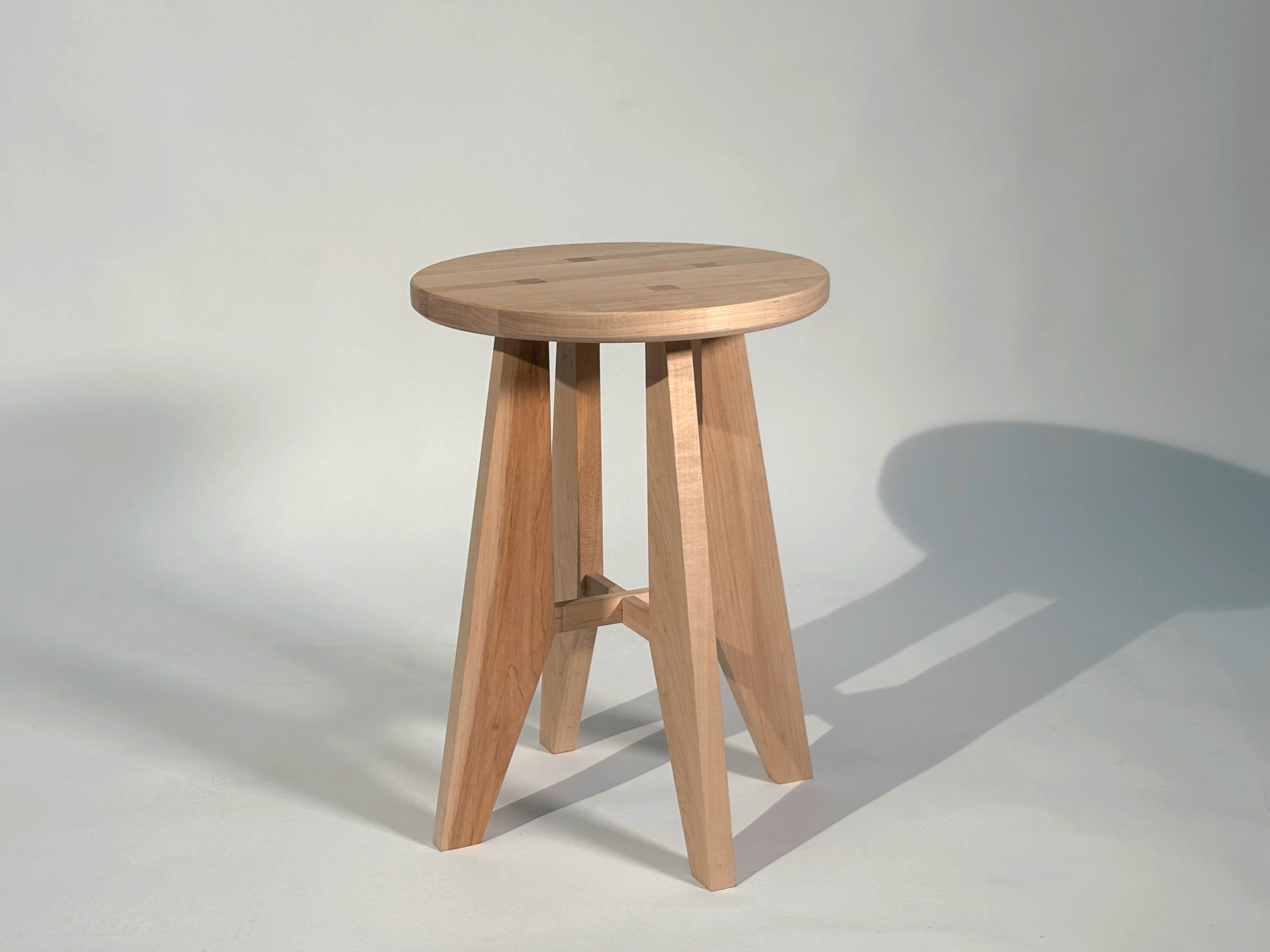
The goal for the simple furniture project was to create an interesting form while learning the foundations of woodworking. The foundations I focused on were wood as a material, basic joinery, proper hand tool operations, and woodworking machines.
Project Goals
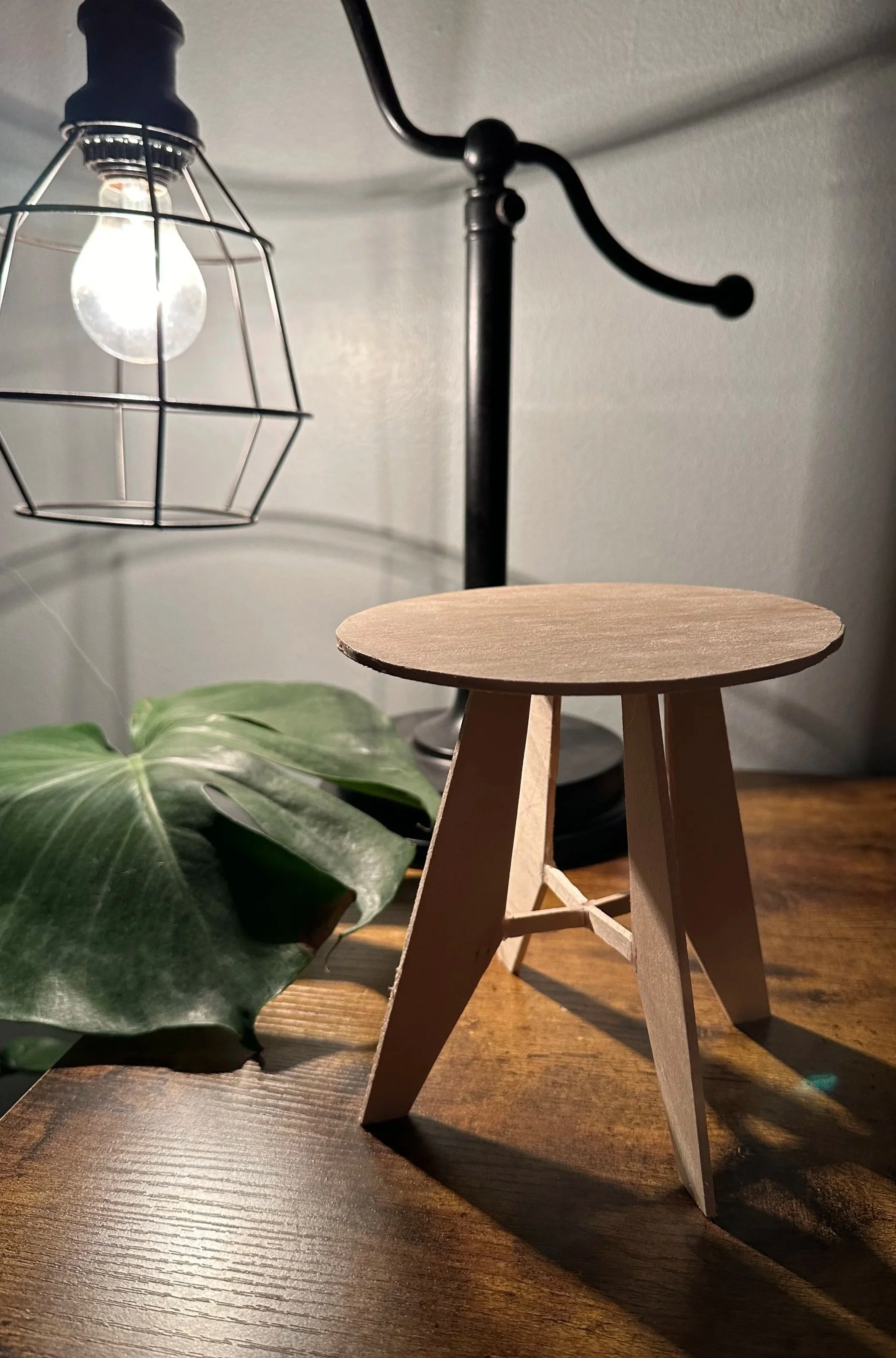
Quarter Scale Mock-up
To get a more tangible representation of the proportions of the design, we were tasked with creating a one-fourth-scale model using balsa wood. What I learned from my model was that my proportions were appropriate for a dining room table. I adjusted the proportions to fit a side table by drastically decreasing the diameter of the table top and adjusting the angles of the legs.
After redefining the proportions of my design, I perfected the side table design to retain the shape and symmetry of the original design.
Finding the Form
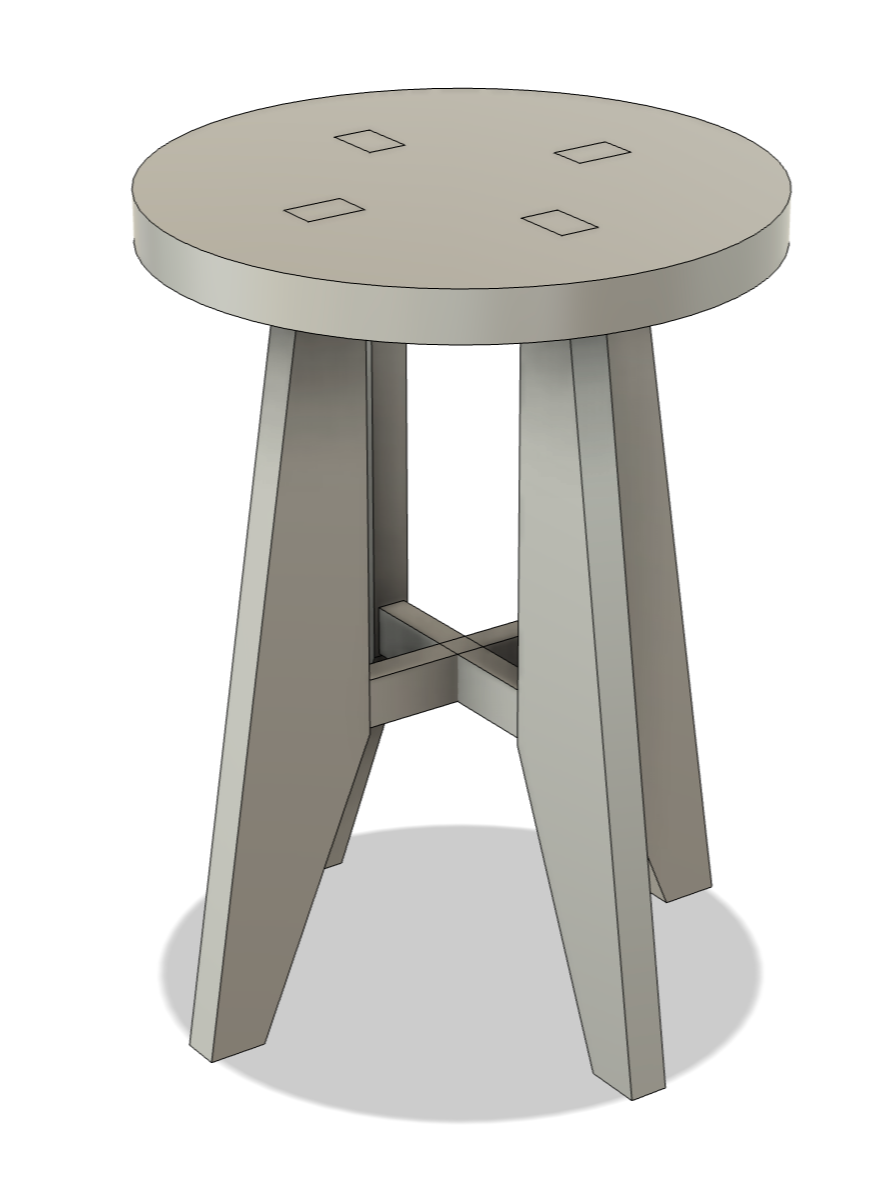
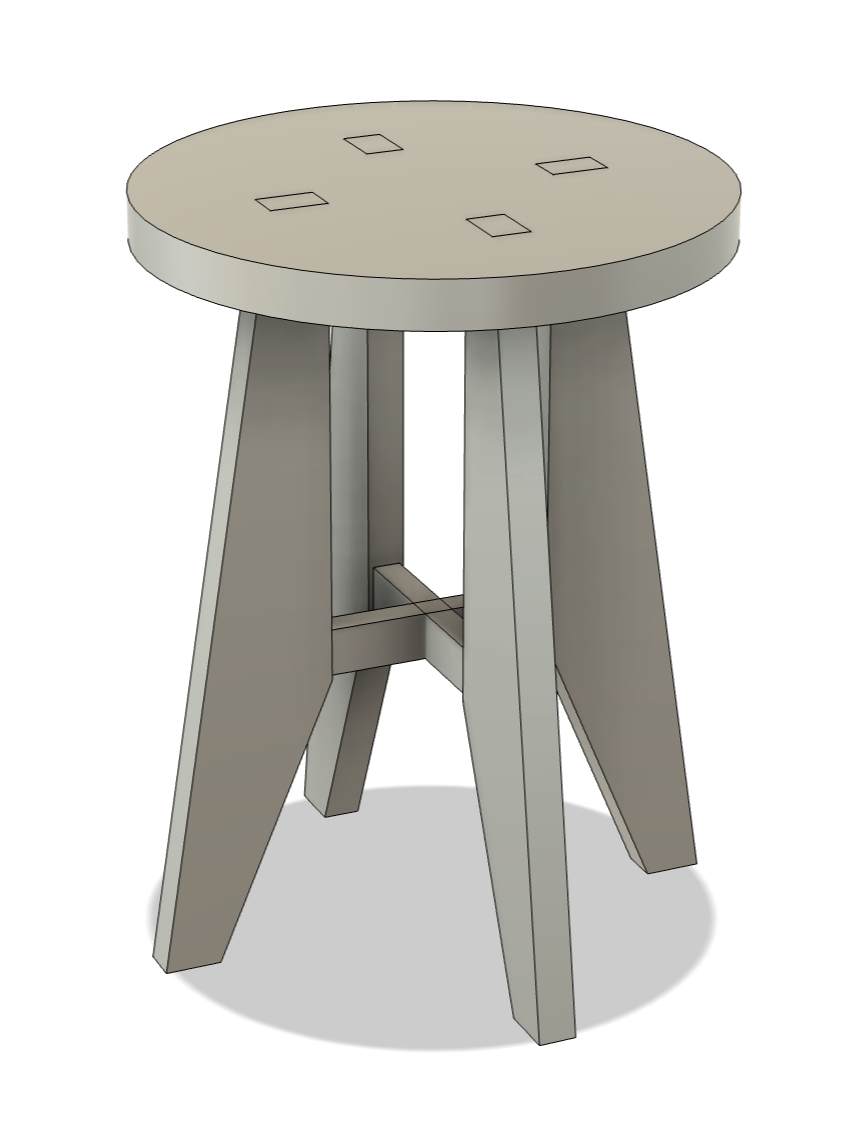
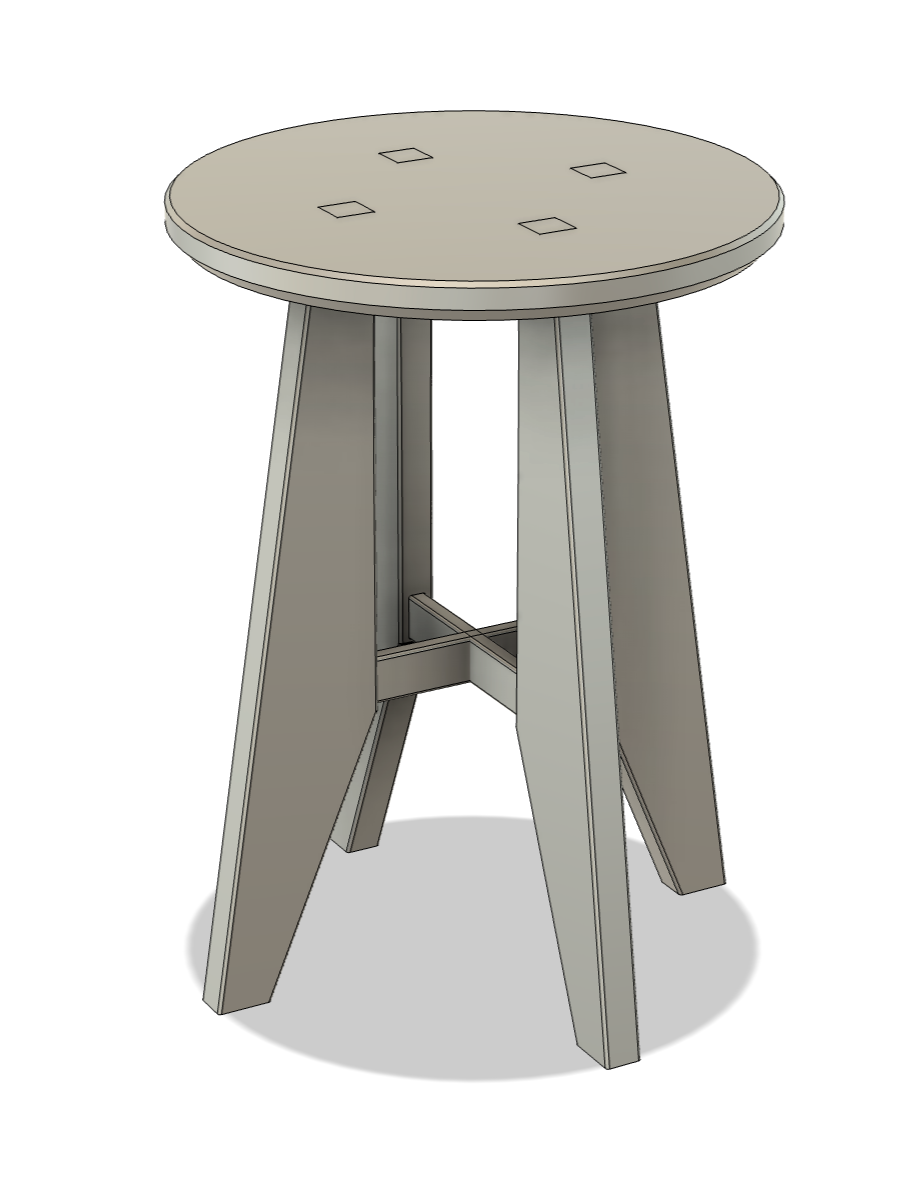
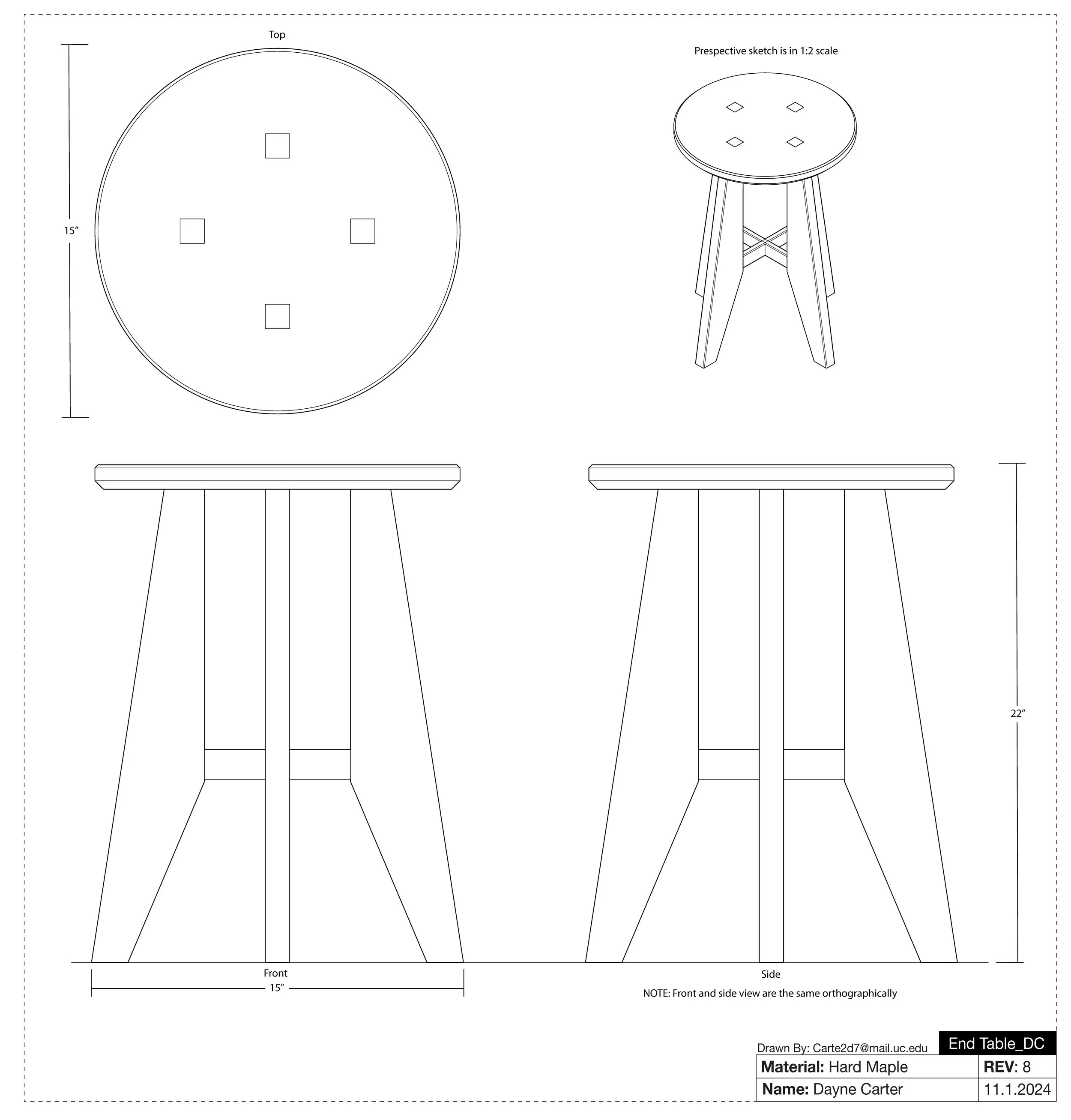
Technical drawings guided the jig creation for the legs to ensure they were identical and matched my design. They helped produce true proportions for my table top. In addition, they were very useful for checking cuts. Technical drawing skills aided in the presentation of my project.
Technical Drawings
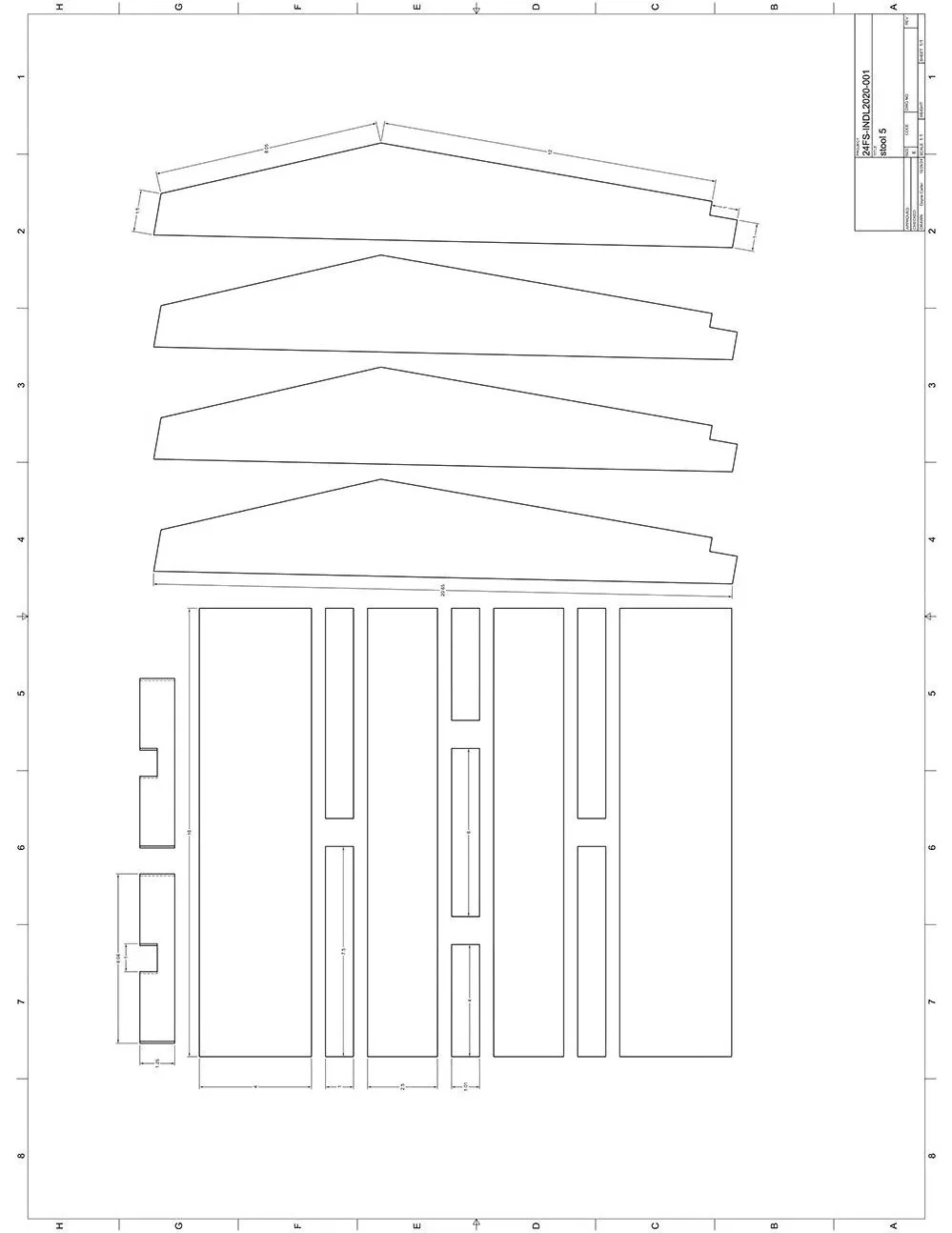
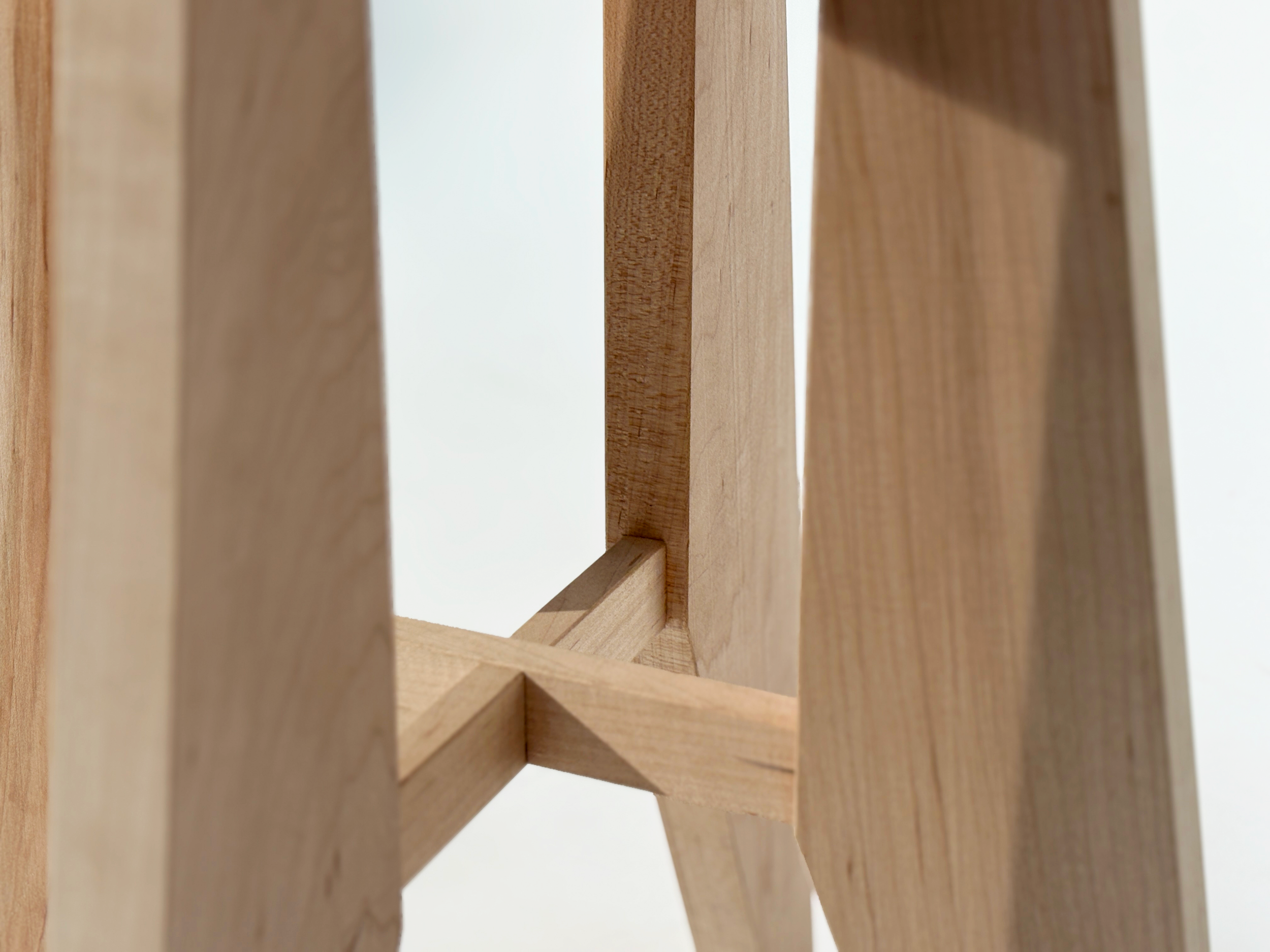
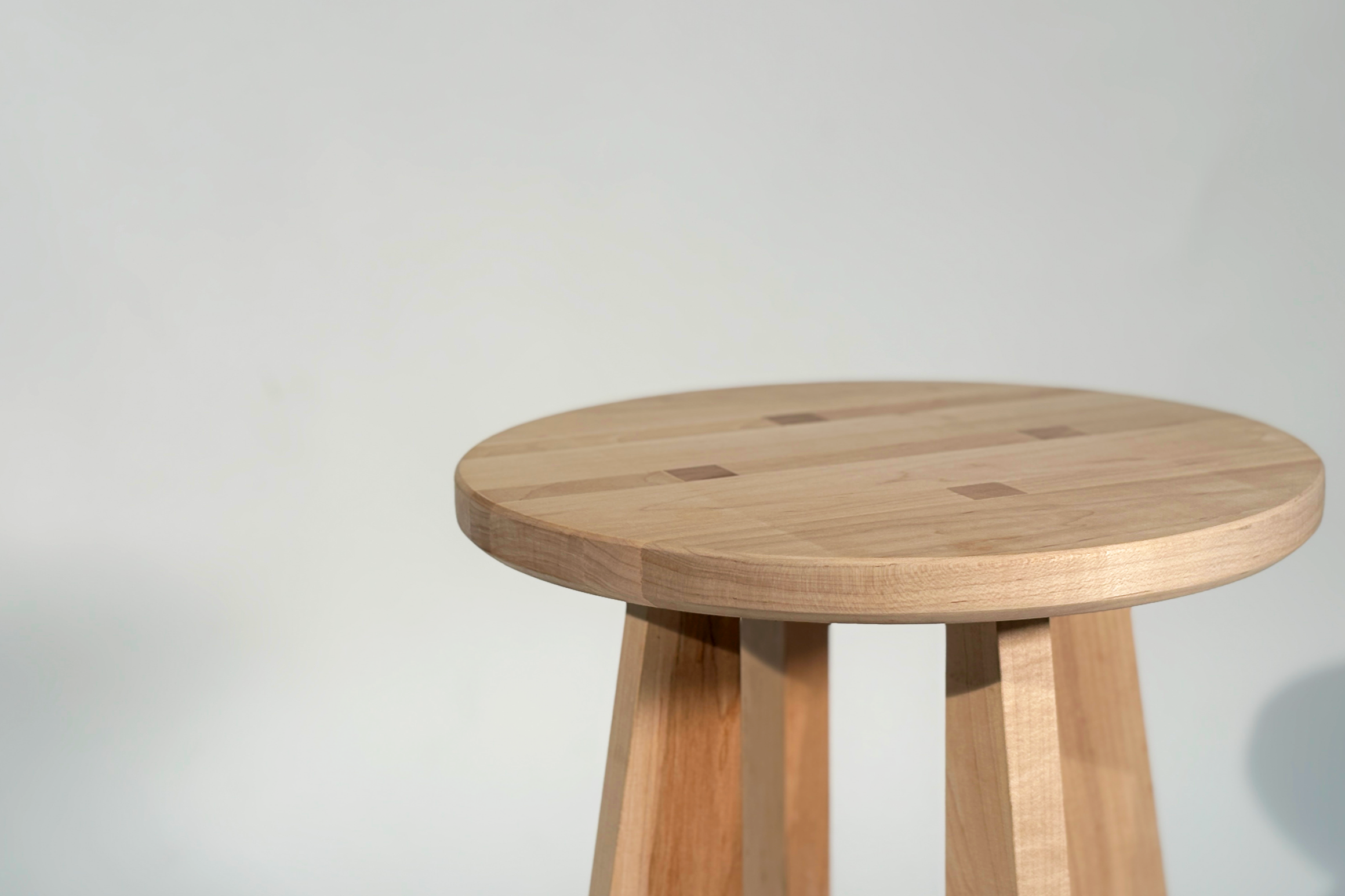
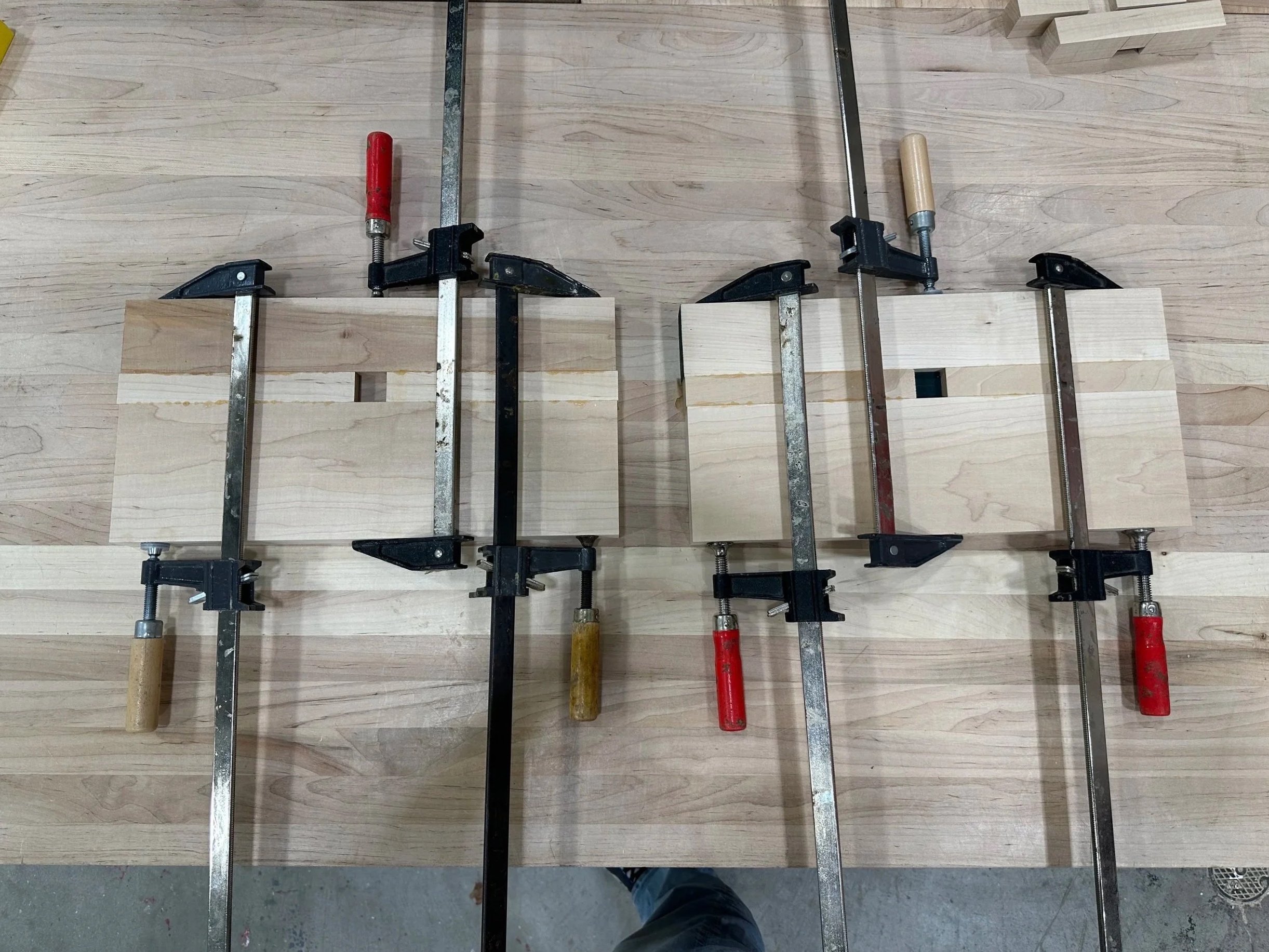
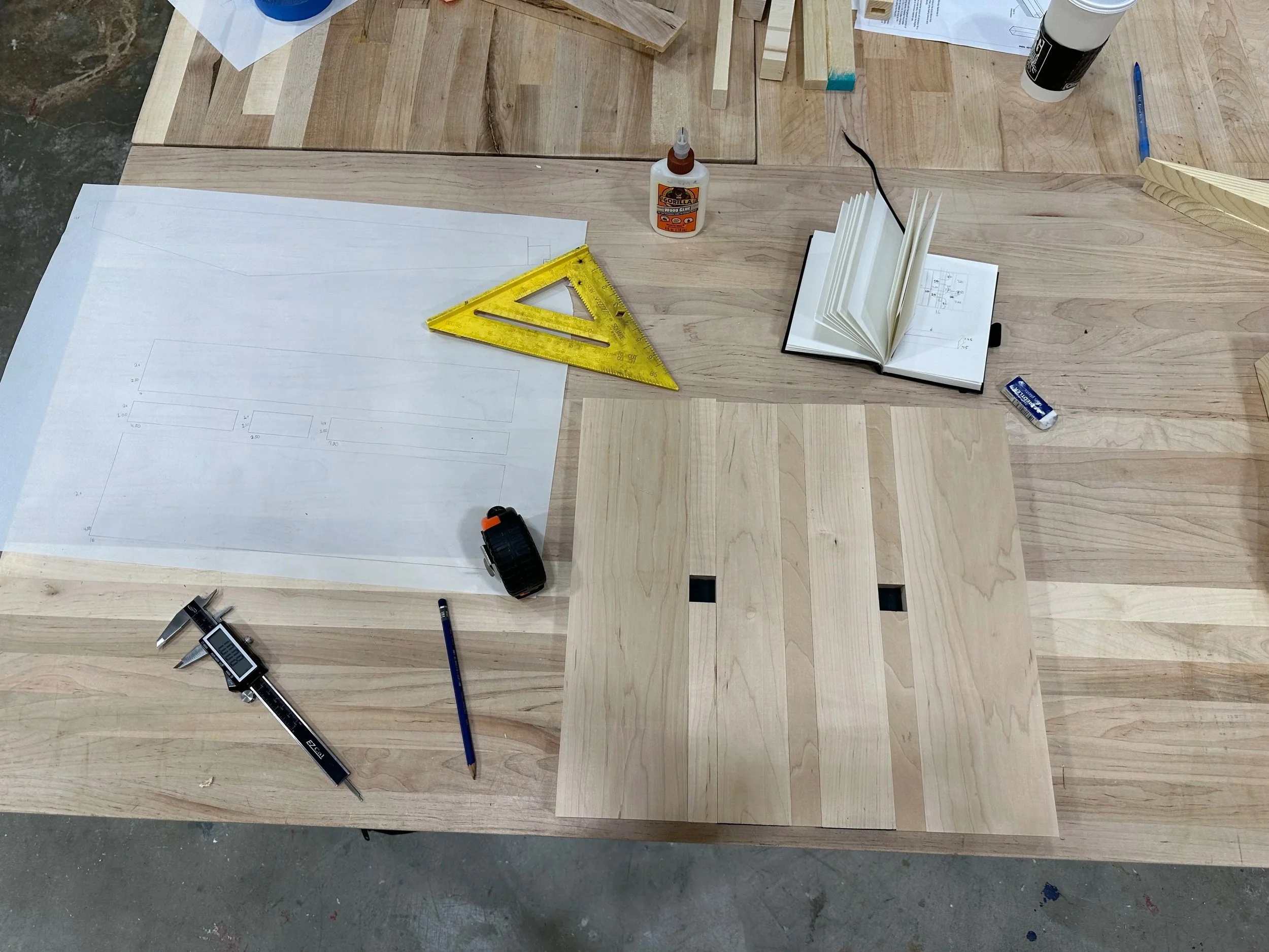
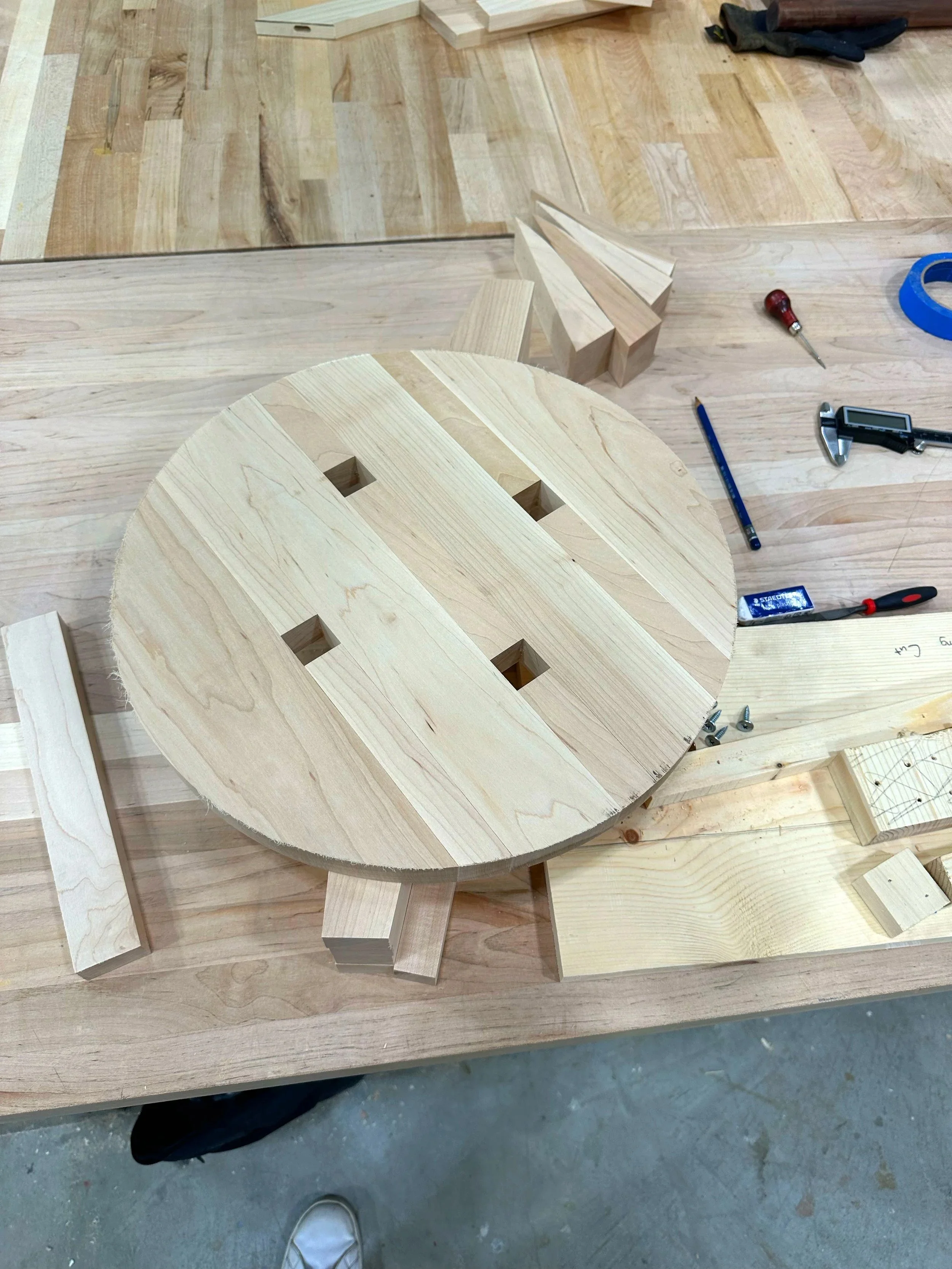
The proper fit of the through joints proved to be the most important and challenging aspect of the design. Ensuring the boards were cut and glued properly was essential for the final assembly of the table.
Creating the TAble top
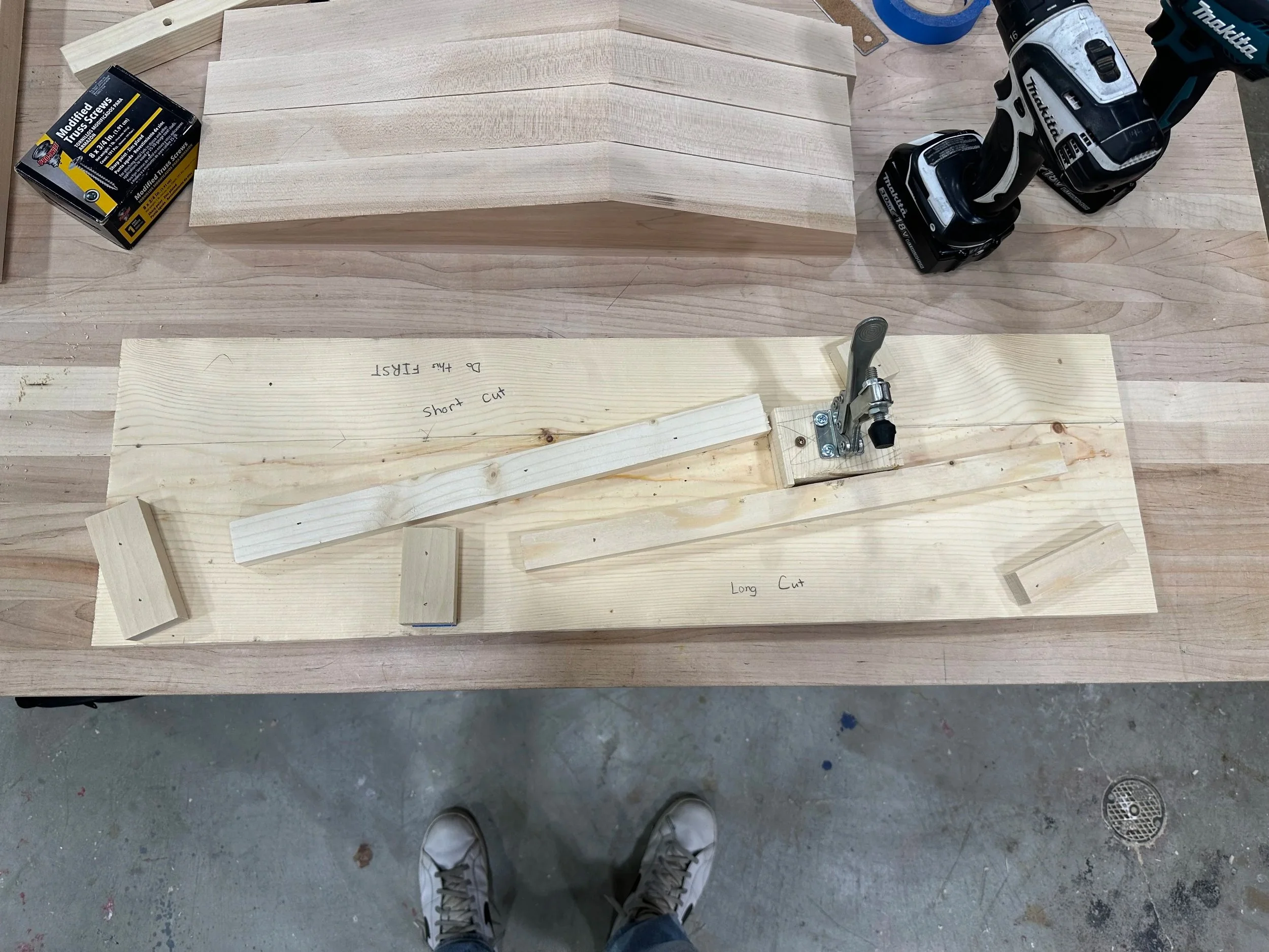
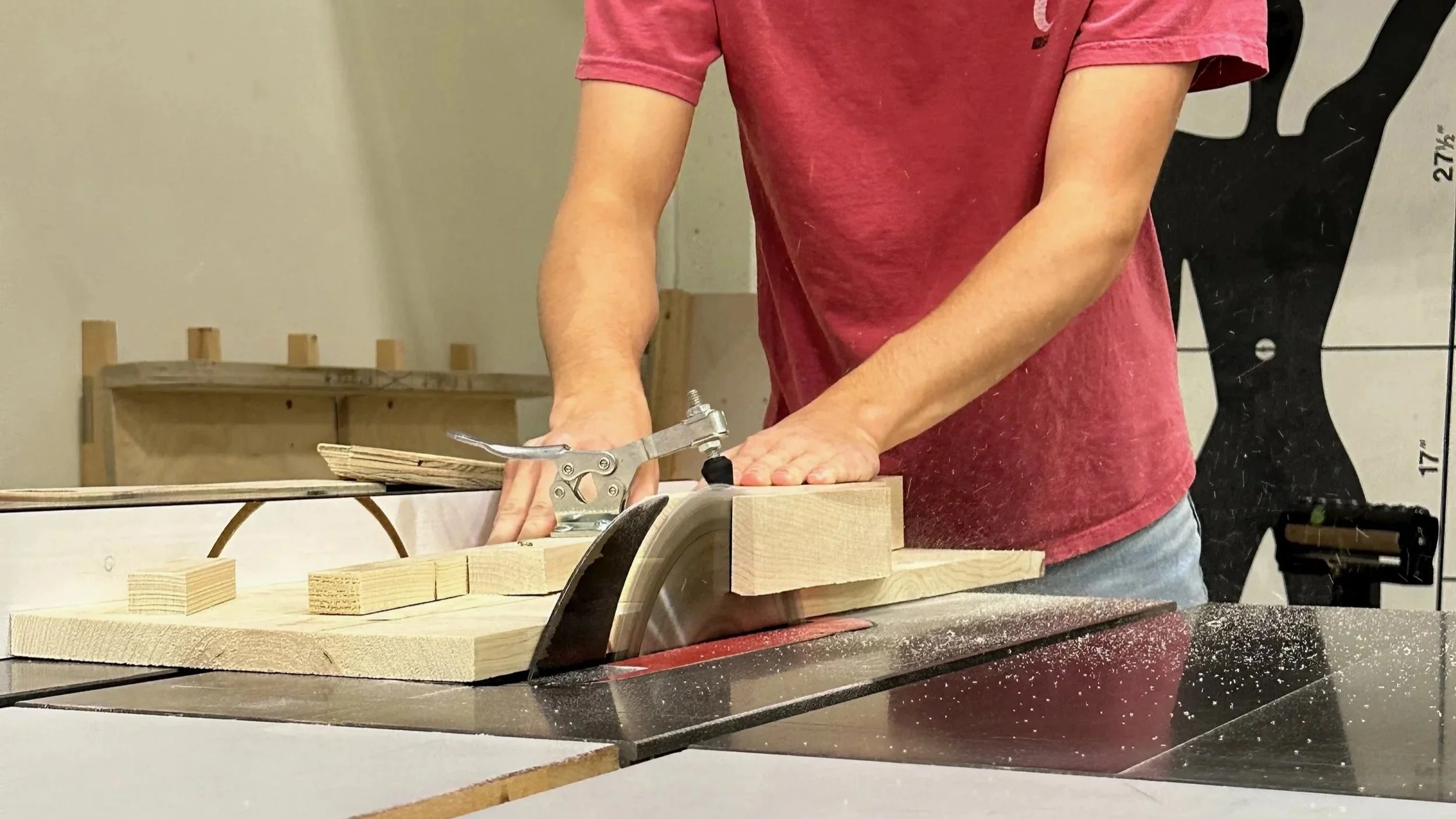
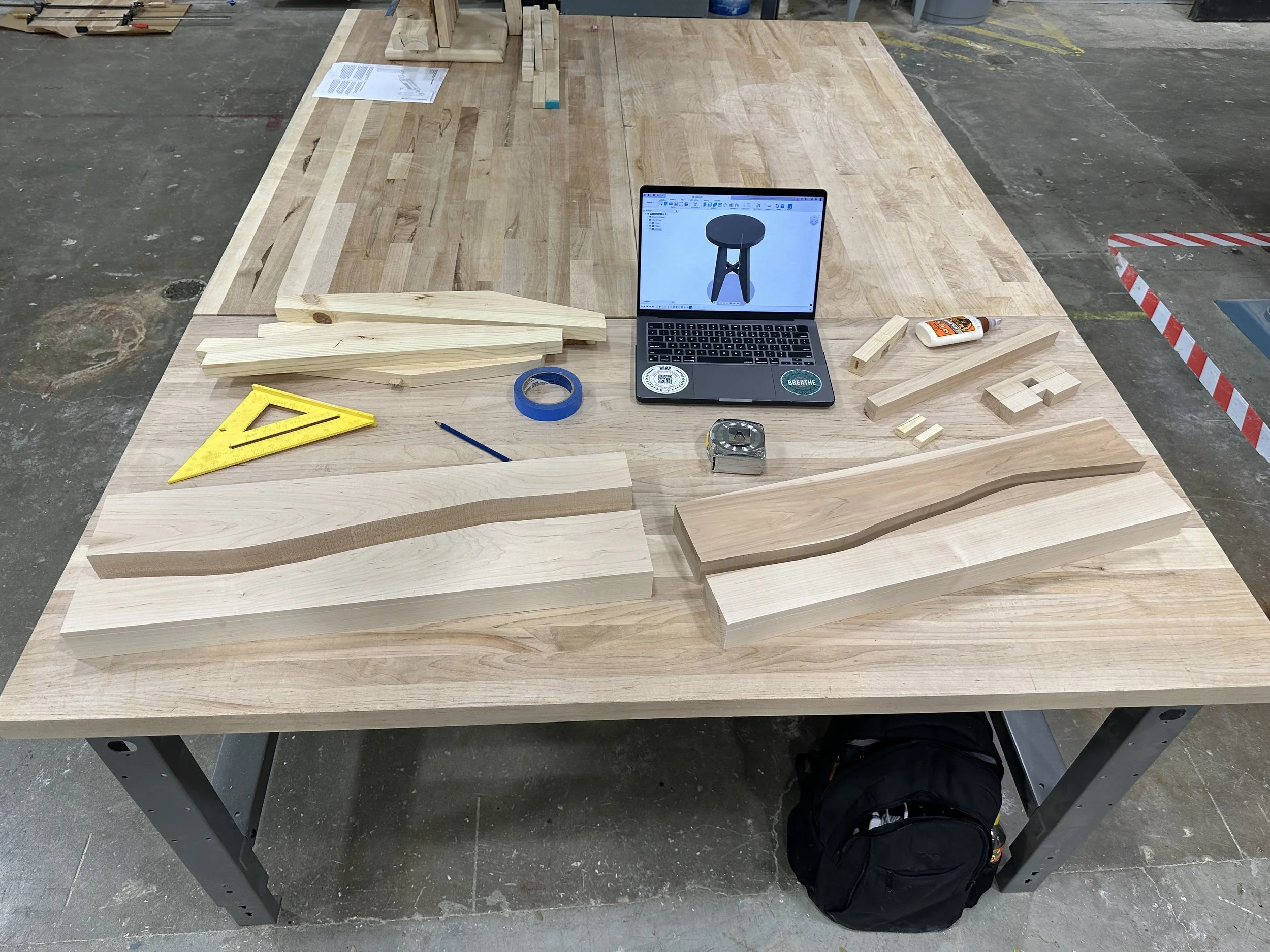
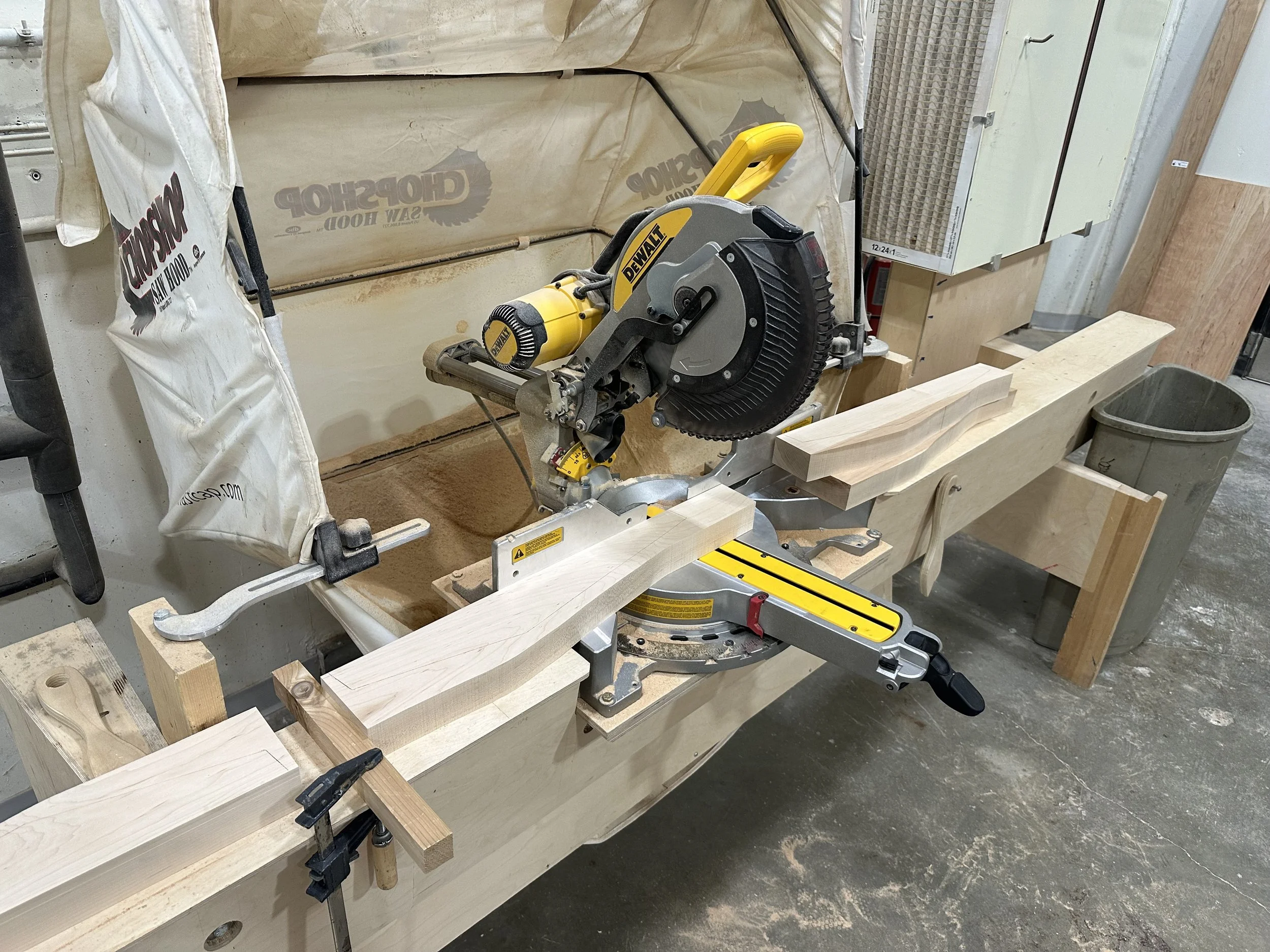
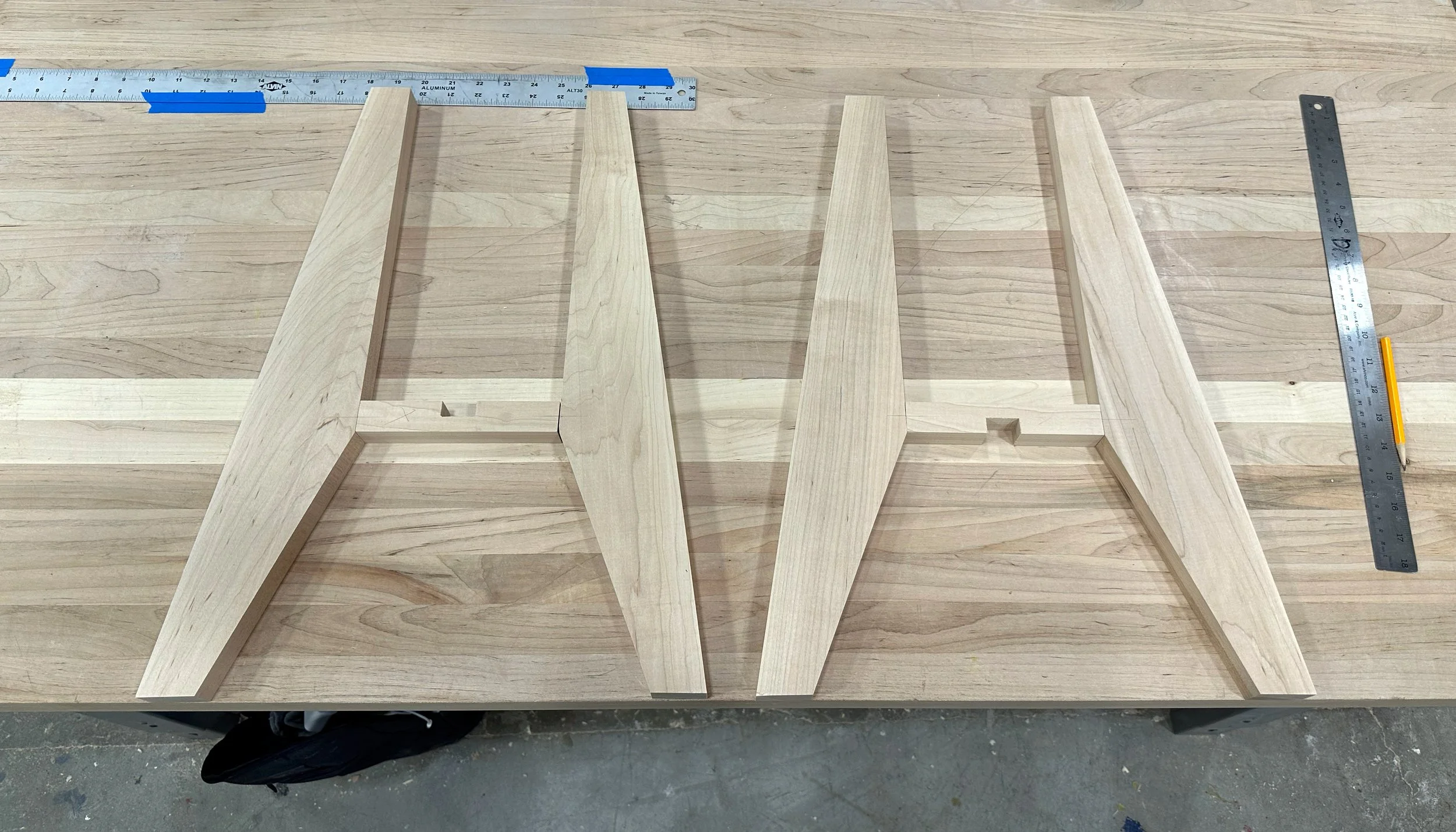
To create four identical legs with the angles of the design, I created a jig. Practice legs were made to ensure that both cuts were exact. Once the jigs were complete, the pieces were cut down to fit using a miter saw for precise cuts on both ends.
Making the Legs
Bringing it all Together
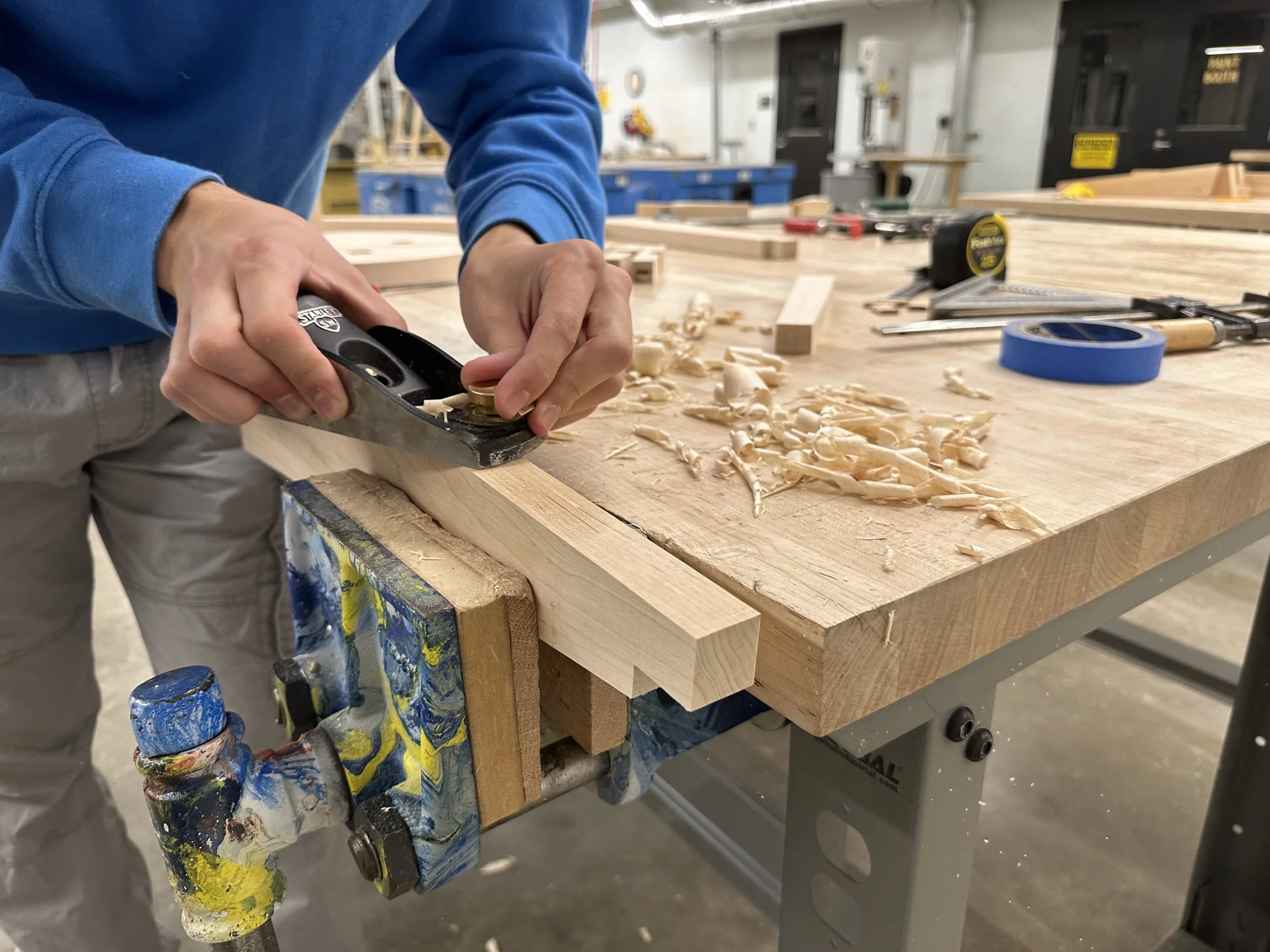
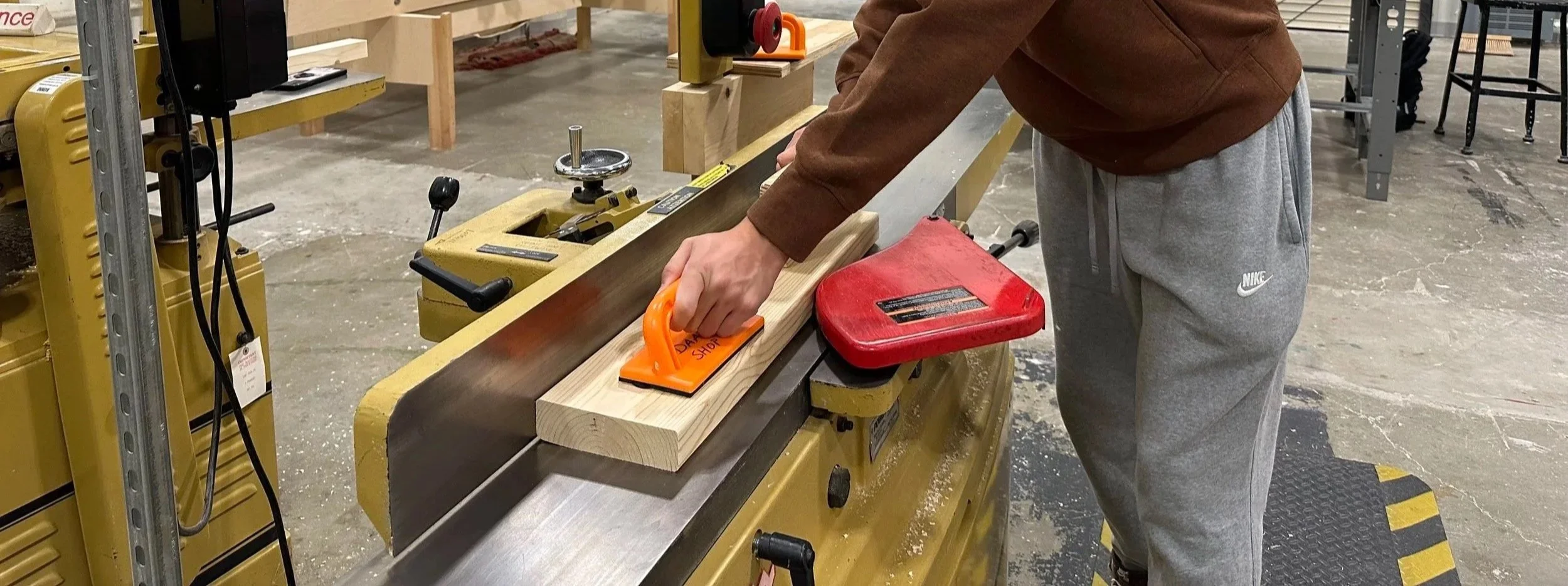
When assembling the table, I learned how to use the hand planer to guarantee that the through joints of my table would fit perfectly.
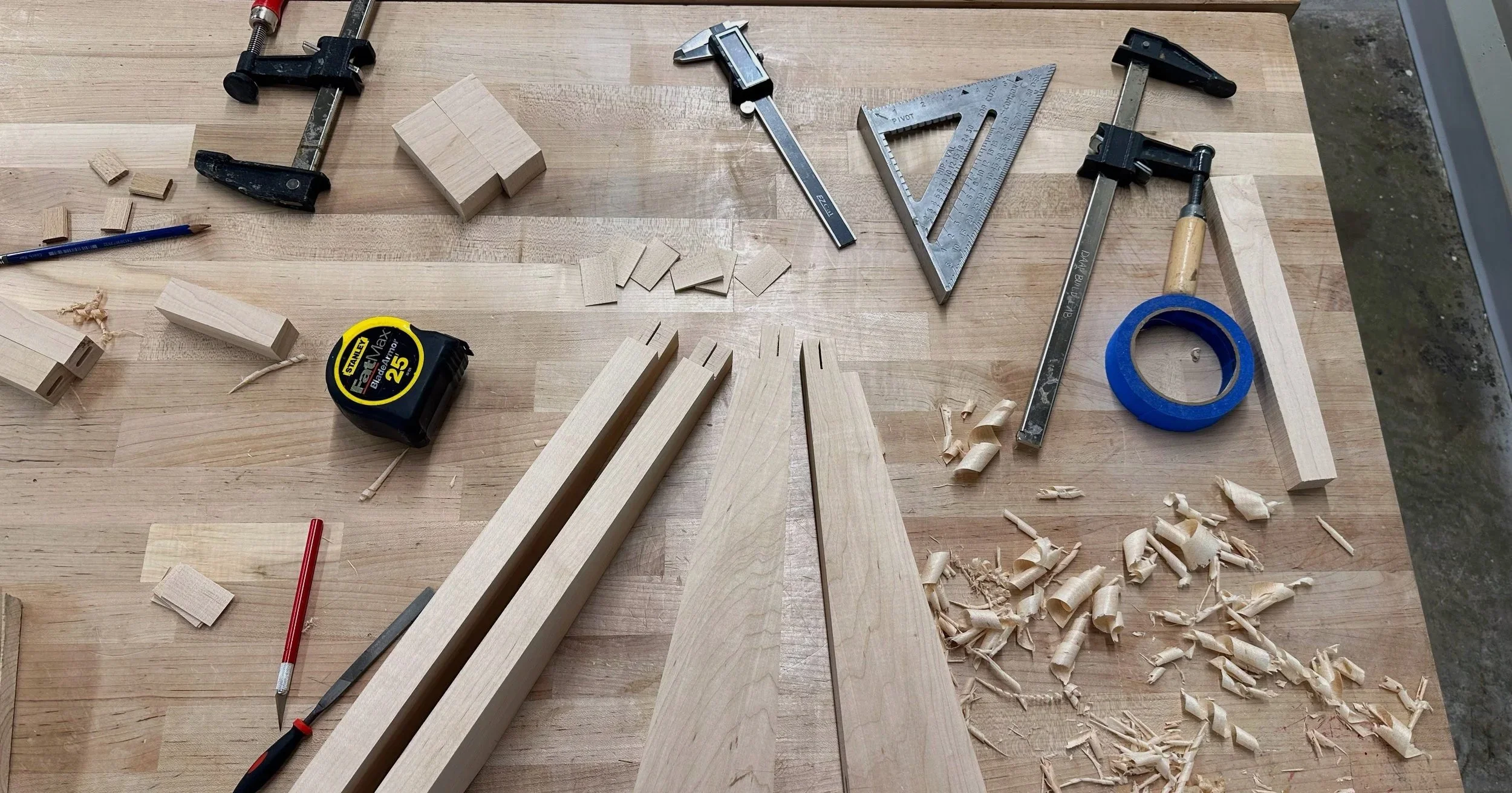
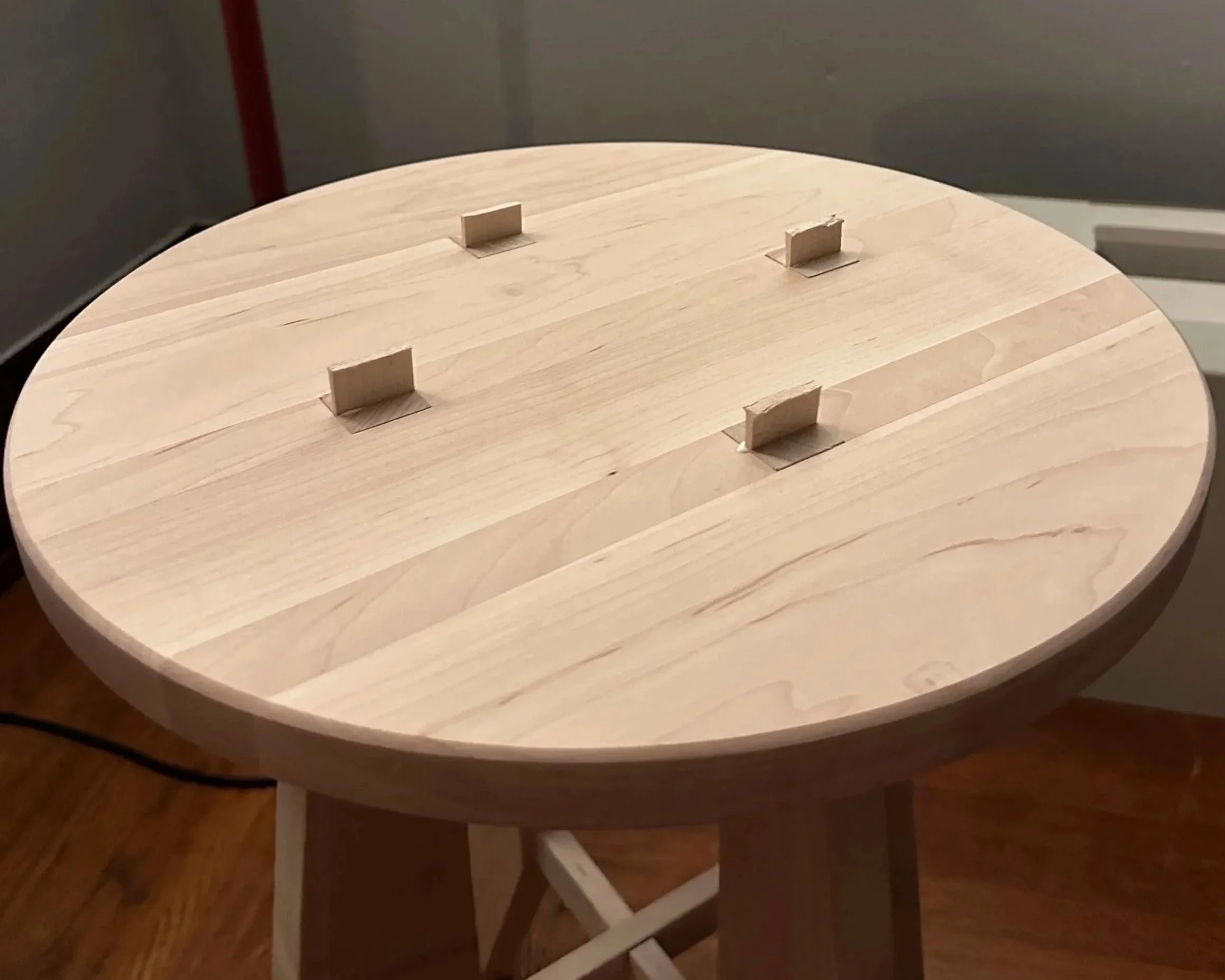
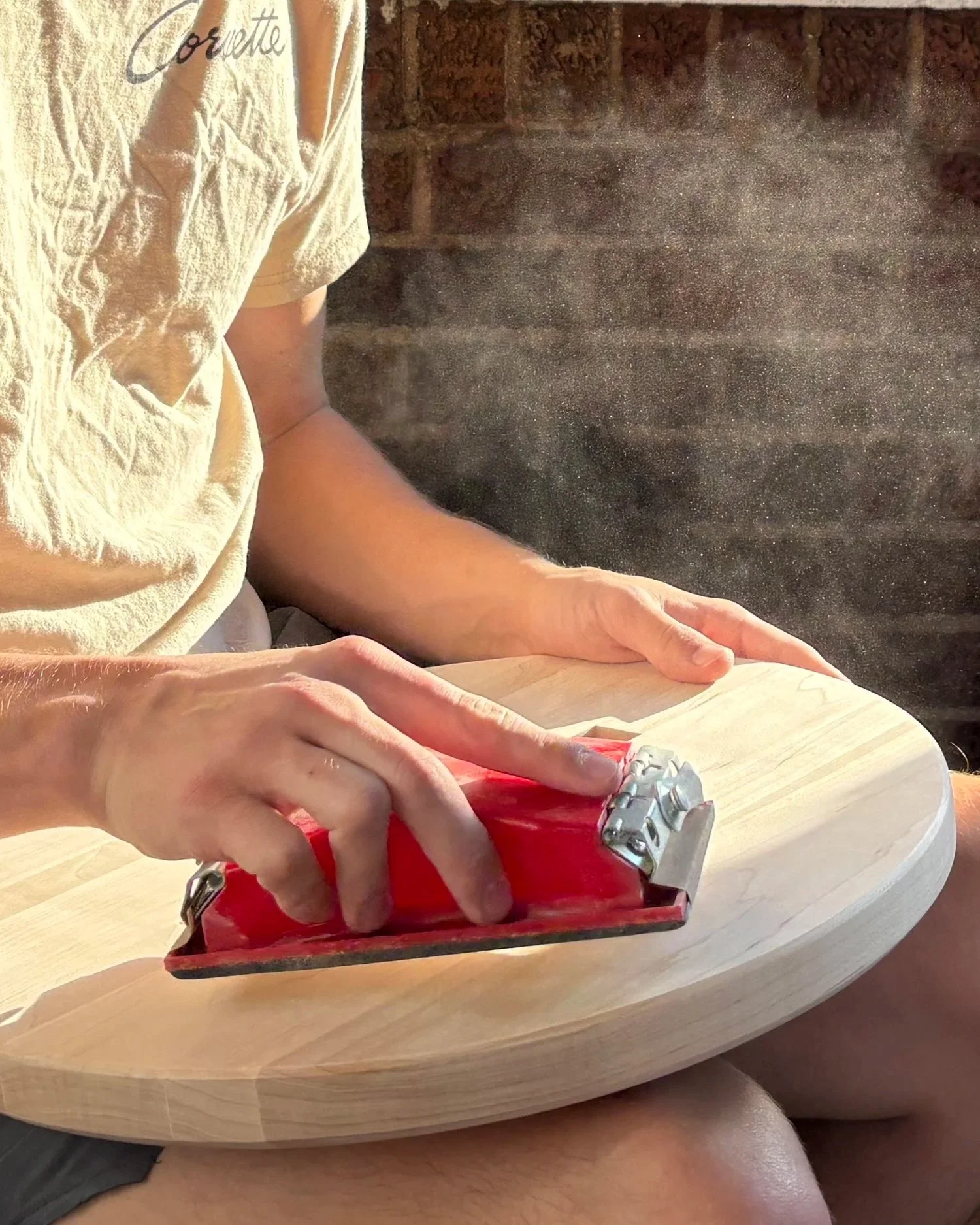
To finish my table, I sanded all of the parts up to 320 grit and added a wedge to my through joints to ensure a tight fit.
The Finishing Touches
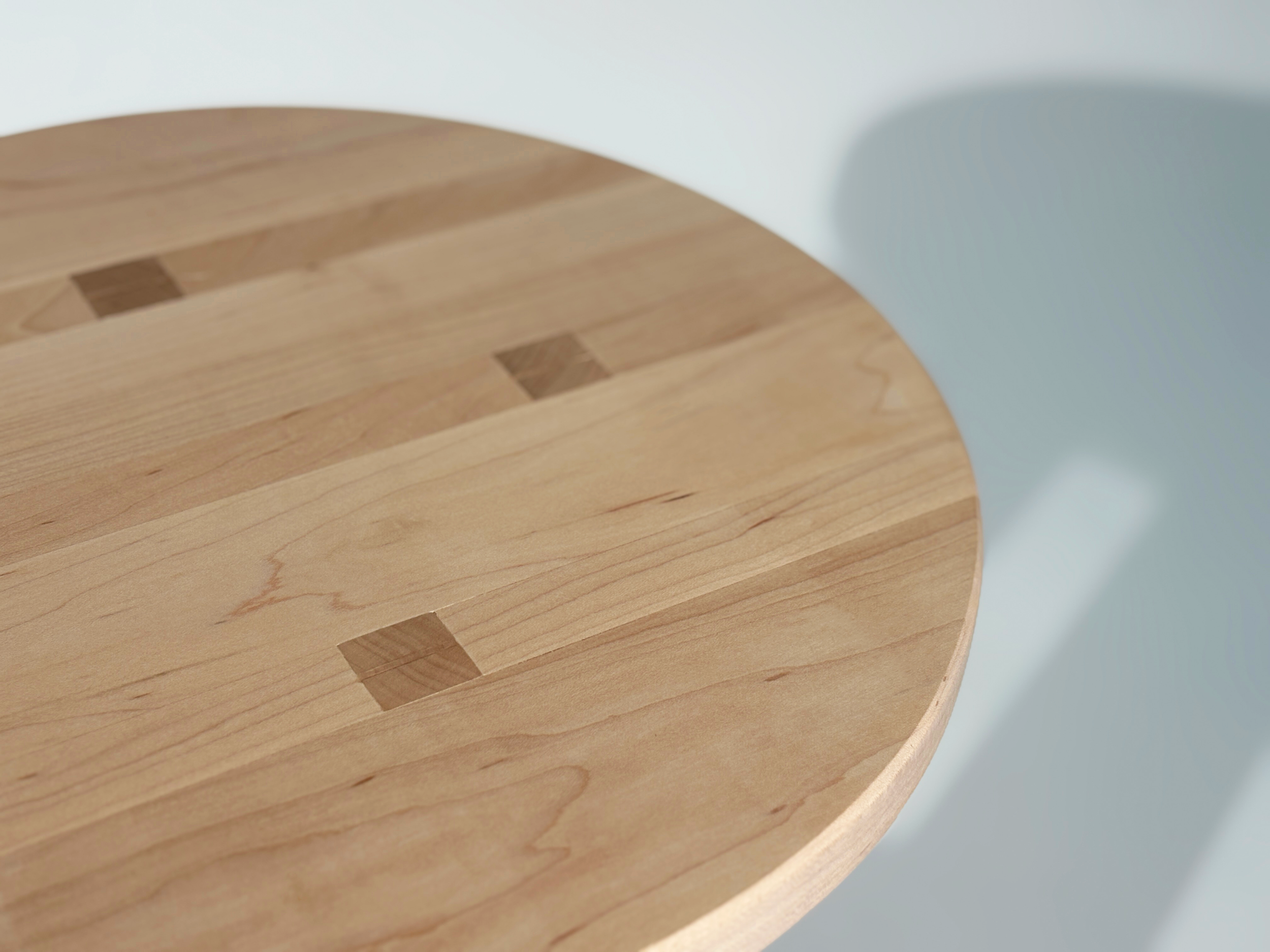
The Final Design